Wayne Booth
describes literature as a relationship, an offering of friendship, between an
implied author and an implied reader. This rhetorical relationship, however,
can have a third party hovering in the background—an eavesdropping or shadow
audience, not specifically invoked by the author but privy to the conversation
and exerting a greater or lesser influence on both the author and the
rhetorical situation.

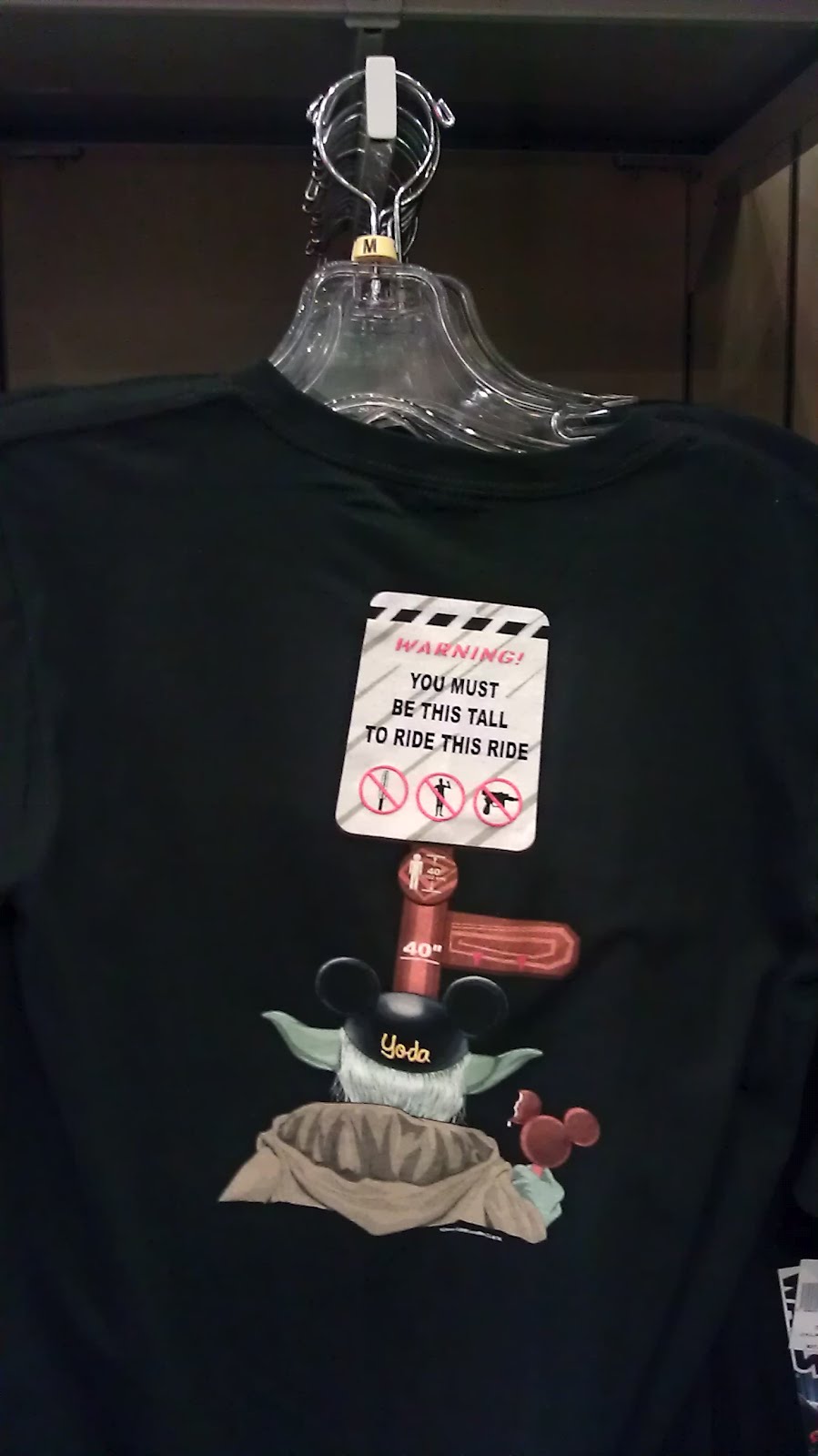
Sometimes this secondary audience has greater power than
the invoked audience in the world at large, which gives the author a practical
and potent incentive for attending to it. For instance, as we spoke about in class, a female rhetorician like Virginia Woolf spoke directly to a female
audience but had to be aware of messages she was implicitly sending to men as
well. As another example, the genre of children’s literature highlights the
interactions of a shadow audience with the implied author and implied audience.

Children’s
literature presents a world created for and about children where adults are
present but often pretend they’re not—a classic case of “pay no attention to
that man behind the curtain.” As Zohar Shavit points out, while “by definition,
children’s literature addresses children,” in fact “always and without
exception, [it] has an additional addressee—the adult, who functions as either
a passive or an active addressee of texts written for children” (83).

Not only
do adults write the children’s texts, they also do the publishing, reviewing,
promoting, and often buying and award-giving. At each step, adults act as
audience with power to grant or withhold approval. As Shavit continues, the
children’s writer must court adult sanction to reach a child audience at all
(84).

("Keeper of the Gate," from community.imaginefx.com, winner of weekly MYFX Forum Challenge)
Balancing relationships with two audiences who may not have the same desires or
interests can get complicated. How does the author attend to and stay ethical
to both? In children’s literature, one answer might be: forget the adults, this
story is for the kids. But even if that were practical, as Jill Paton Walsh
asks, is it ethical when speaking to children for the author to “[put] down the
adult’s burden of knowledge, and experience” (212)—or, I would add, to
disregard the concerns of a caring adult audience who has the children’s
interest in mind, though viewing it from a more mature perspective?
One classic
story that balances these elements and concerns is Maurice Sendak’s Where the Wild Things Are. Sendak
effectively and ethically attends to both audiences by appealing to the values
of a legitimately concerned adult audience while keeping the story firmly
within the perspective of the implied child audience.

So that's the introduction, ending with the thesis, as all good little composition students know. What books have you noticed seemed to be balancing two audiences at once? Are they successful, or does it come out awkward?
-------------
Notes:
Booth, Wayne. The Company We Keep: Towards an ethic of literature.
Booth, Wayne. The Company We Keep: Towards an ethic of literature.
Mills,
Claudia. “The Ethics of the Author/Audience Relationship in Children’s
Fiction.” Children’s Literature
Association Quarterly 22 (2000): 181-187.
Shavit,
Zohar. “The Double Attribution of Texts for Children and How It Affects Writing
for Children.” Transcending Boundaries:
Writing for a Dual Audience of Children and Adults. Ed. Sandra L. Beckett. New York : Garland ,
1999. 83-97.
Walsh,
Jill Paton. “The Rainbow Surface.” Suitable
for Children? Controversies in Children’s Literature. London :
Sussex
UP, 1976. 212-15.